
Honest advice
His willingness to do more than he says he will is refreshing.
Once we found All Aquatic Pools, we have never had a reason to go anywhere else. Andrew and his crews always do good work at a fair price.
Dallas–DFW Leak Detection
If your pool is losing water, guessing gets expensive. We work out where it is going, explain what we found, and tell you honestly what needs doing now and what can wait.
Leak detection within 70 miles of Richardson, TX ·4.8 stars from 47 Google reviews
Any one of these is worth a phone call. Several together usually means water is going somewhere it should not.
A pool in a Texas summer loses water to evaporation. Losing an inch or more a day, or needing to top up more than once a week, is a different problem.
An autofill quietly hides a leak while it drives your water bill up. If yours rarely stops, that is worth investigating.
Damp patches, sinking decking or unusually green grass in one spot can mean water is escaping underground.
Air being drawn into the system often points to a leak on the suction side rather than a pump fault.
Visible cracking does not always mean a leak, and a leak does not always show cracks. Both are worth a look.
Water leaving the pool takes your chemistry with it. Rising chemical costs can be the first sign.
A leak does not fix itself, and the cost is rarely just the water. You are also paying to reheat and re-treat every gallon that replaces it, and an autofill will keep doing that quietly for months.
Water escaping underground can undermine what sits around the pool, and equipment running on a system drawing air does not last as long as it should.
That said, not every leak is an emergency. Part of our job is telling you which is which, rather than turning a slow drip into a crisis.
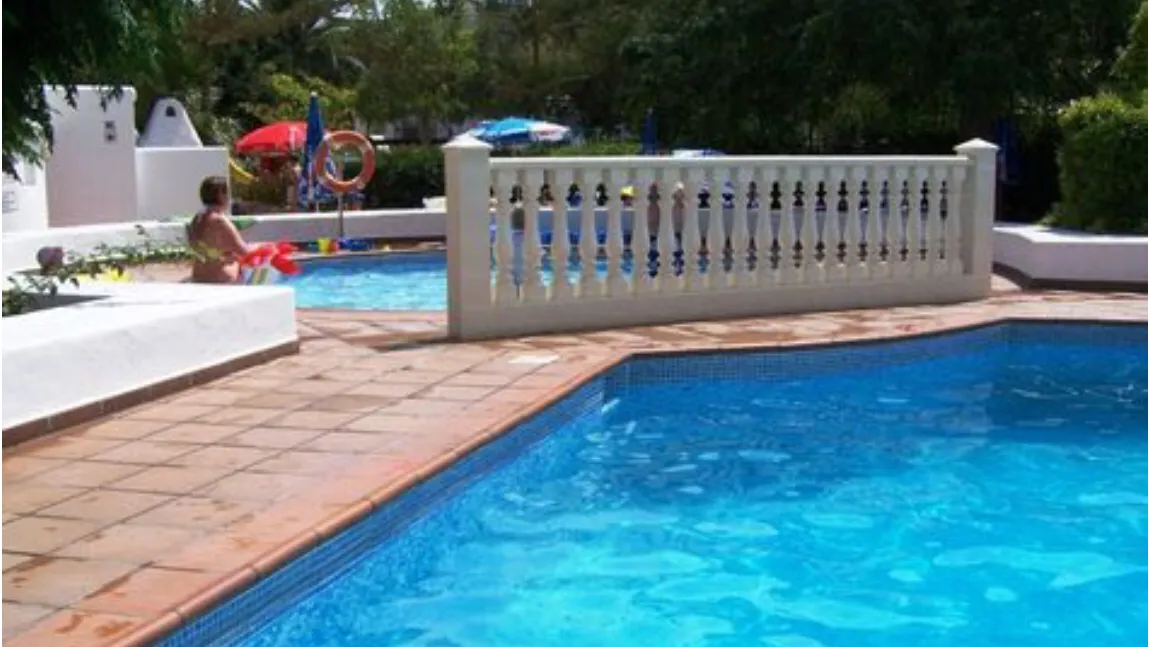
Water can leave a pool from any of these. Several are invisible from the deck, which is why guessing gets expensive.
How much water you are losing, how quickly, and whether anything changed recently. This shapes where we look first.
We establish whether water is leaving through the structure, the plumbing, or the equipment, so the search is narrowed before it starts.
We test the suspected areas to pin down where the water is actually going, rather than guessing and opening up decking on a hunch.
You get a plain-language account of the problem, what it will take to fix, and our honest view on what needs doing now versus what can wait.
His willingness to do more than he says he will is refreshing.
Once we found All Aquatic Pools, we have never had a reason to go anywhere else. Andrew and his crews always do good work at a fair price.
The most valuable thing he gave me was his opinion on what he would do if he were me, and what repairs could wait.
I was nervous to call any leak detection company because I just knew I had a big problem and did not know who I could trust. Andrew and his team came out and did a VERY comprehensive leak detection study.
They could have charged me for a repair I did not need, but instead showed me exactly what was wrong.
Honest and transparent. I trust them completely.
The bucket test is a reasonable first check you can run yourself. Put a bucket of pool water on a step so the levels inside and outside match, leave it 24 hours with the pump running normally, then compare. If the pool has dropped noticeably more than the bucket, water is going somewhere other than the air. If they match, it is likely evaporation.
Usually not. Leak detection is done with the pool full, because the water is what reveals where it is going. If a repair later needs the level dropped we will tell you before any work starts.
We work to identify where the pool is losing water and explain what we find. Repairs are a separate conversation, quoted before anything begins. We will not start work you have not agreed to.
It happens, and pools can hide more than one leak. Talk to us about it. We have gone back out and redone a full test to find a leak we missed the first time, and that is on us rather than on you.
It depends on the pool, what is involved and where you are. Call and describe what you are seeing and we will be straight with you about what it is likely to take before anyone comes out.
We cover roughly 70 miles around Richardson for leak detection, which reaches most of the Dallas-Fort Worth metroplex. Recurring pool service runs on a tighter northeast Dallas route. If you are not sure whether you are in range, call and ask.
Yes, and it is a sensible time to do it. We have assessed pools during the buying process and helped owners work out what genuinely needed fixing and what could wait.
Tell us what you are seeing and we will tell you what it probably is.